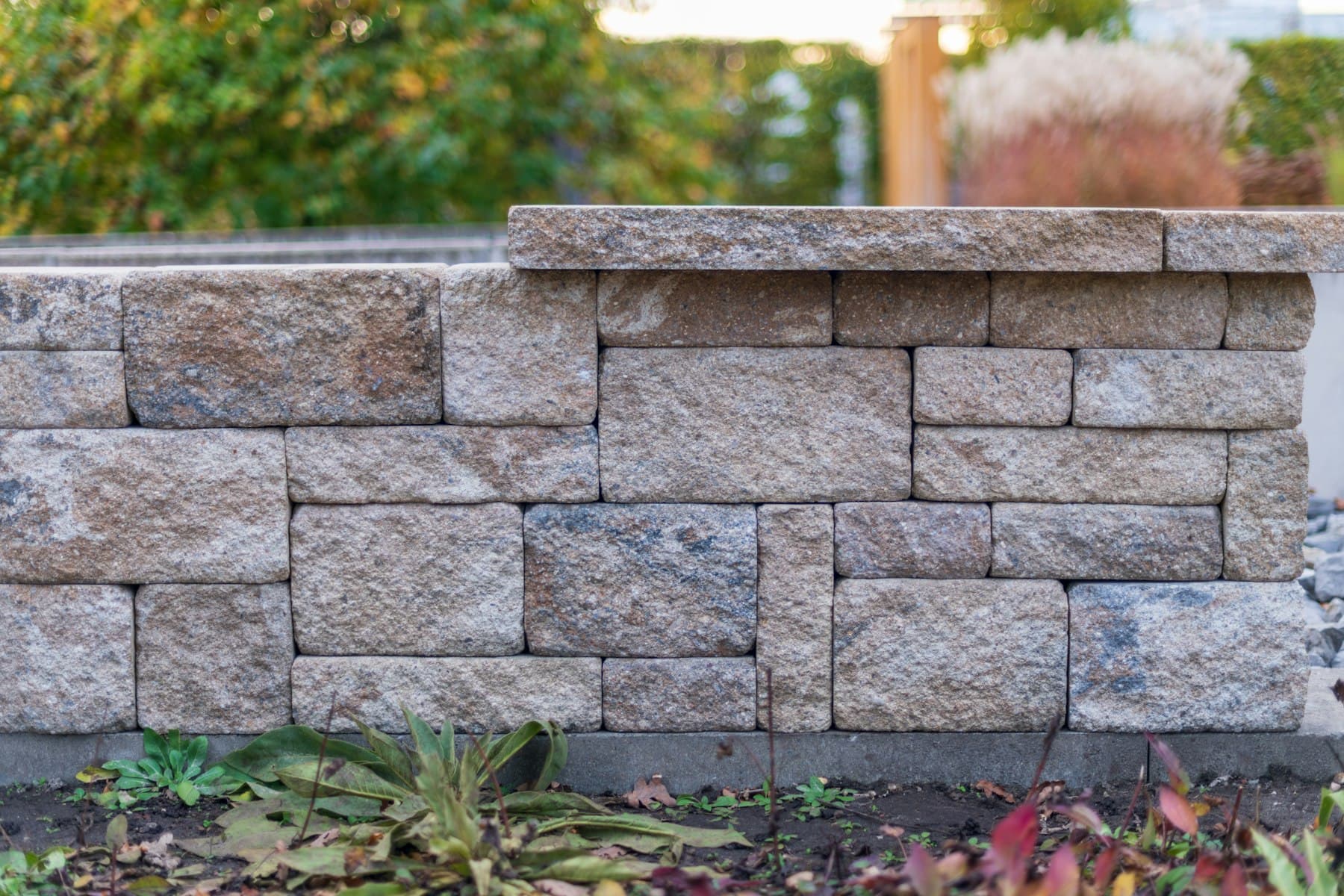
Retaining Walls & Slopes on the Wasatch Front
Bench-and-foothill lots, clay soil, and freeze-thaw: drainage rules, wall types, and when you need an engineer.
9 min read · Updated June 25, 2026
Build on a bench or foothill lot along the Wasatch Front and sooner or later you're holding back a slope. In Utah's clay, with 50 to 80 freeze-thaw cycles a winter, a retaining wall lives or dies on its drainage — not its face. Here's how to build one that lasts, which wall type to pick, what drives the price, and when the city makes you hire an engineer.
> 4 ft
Exposed height that triggers required engineering
$1,500–$3,000
Stamped engineering for tall walls (code cost)
50–80
Freeze-thaw cycles a Utah winter
10–15 yr
Timber wall lifespan — treat as temporary
Drainage is what actually holds the wall
On a bench or foothill lot, the soil behind your wall is dense, alkaline Wasatch clay that grips water instead of shedding it. When that trapped water freezes — 50 to 80 times over a single winter — it expands and shoves the wall outward. Bulging, leaning, and cracked block walls in Utah are almost always a drainage failure, not a strength failure. Get the drainage right and a modest wall outlasts a massive one built dry.
Wall types and how to choose
Pick the wall to the job, not the catalog photo. Your cost is driven by height, length, soil, and access far more than by the wall type alone — which is why a wall is best priced from a site visit, not a chart.
| Wall type | Best for | Watch-outs |
|---|---|---|
| Segmental block | Most residential slopes | Drainage detailing is critical; premium design block costs more |
| Boulder | Natural look on larger grade changes | Needs space and equipment access for large stone |
| Poured concrete | Tall or heavily loaded walls | Almost always needs engineering; the most expensive option |
| Timber | Temporary use only | Rots in Utah soil within 10–15 years — avoid for anything permanent |
Two of these levers carry a hard cost no matter the type: walls over about 4 feet of exposed face need stamped engineering ($1,500–$3,000, covered below), and Utah clay makes the drainage detail non-negotiable. For a number that fits your actual slope and soil, get a free on-site estimate rather than working off an online average.
When you need an engineer
Most Utah municipalities require stamped engineeringonce a wall's exposed height passes about 4 feet — and a wall holding up a driveway, a structure, or a steep surcharge can trip that requirement lower. Engineering runs $1,500 to $3,000 and is cheap insurance against a wall failure on a slope, which is both dangerous and ruinously expensive to redo. Confirm how your city measures wall height (some count from the bottom of the footing) and whether a permit is required before you build.
Building it in the right order
Confirm code & engineering
Check the exposed-height trigger (~4 ft) and permit requirement with your city; get stamped engineering if needed before you dig.Excavate & set the footing
Dig back into the slope and place a level, compacted base — the buried first course is what keeps the wall plumb.Install drainage as you build
Lay perforated drain tile, backfill with ~12 in of 3/4-in angular gravel, wrap in non-woven filter fabric, and set weep holes every 4–6 ft.Stack & batter the wall
Build up in courses with a slight backward lean (batter) into the slope so soil pressure tightens the wall rather than tipping it.Cap & finish grade
Cap the wall, then grade the top to slope surface water away — don't funnel runoff into the backfill you just drained.
Retaining walls & slopes FAQ
When does a retaining wall need an engineer in Utah?
How much does a retaining wall cost in Utah?
Why do retaining walls fail in Utah clay?
Should I use a timber retaining wall in Utah?
What's the best wall type for a sloped Wasatch Front lot?
Freeze-thaw drainage detail (drain tile, 3/4-in angular gravel, filter fabric, weep holes), the timber-rot lifespan, and the engineering cost range reflect Utah build practice and typical municipal codes — the engineering trigger (~4 ft exposed) and permit rules vary, so confirm with your city. For a cost figure specific to your wall and slope, request a free on-site estimate. Verified June 2026.
Who publishes this guide
This site is researched and published by Xperience Landscaping, a landscaping company based in Midvale, UT serving the Salt Lake Valley & Utah County. We write it because we install this work every week — and because no one had pulled Utah's scattered, often-outdated landscaping information into one honest place. Figures are verified against primary sources and dated; we'll always tell you to confirm a rebate or code with your district or city before you rely on it.
Keep reading
 Cornerstone
Projects
New-Construction Landscaping in Utah
Bare-dirt lot in Eagle Mountain, Saratoga Springs, or Lehi? The pre-occupancy deadlines, phasing order, and soil step builders skip.
12 min read
 Cornerstone
Projects
Park-Strip Conversion (Utah's New Rules)
New lawn is now banned in many Utah park strips. What you can plant, what the rebate pays, and how to do it right.
9 min read
Projects
Front-Yard Makeovers in Utah
The highest-return yard project in Utah: curb appeal, water savings, and a sequence that keeps it on budget.
8 min read
From the team behind this guide
Ready to build it?
This guide is published by Xperience Landscaping, a landscaping company serving the Salt Lake Valley & Utah County. If you want a real plan and a quote for your yard, we're happy to help.