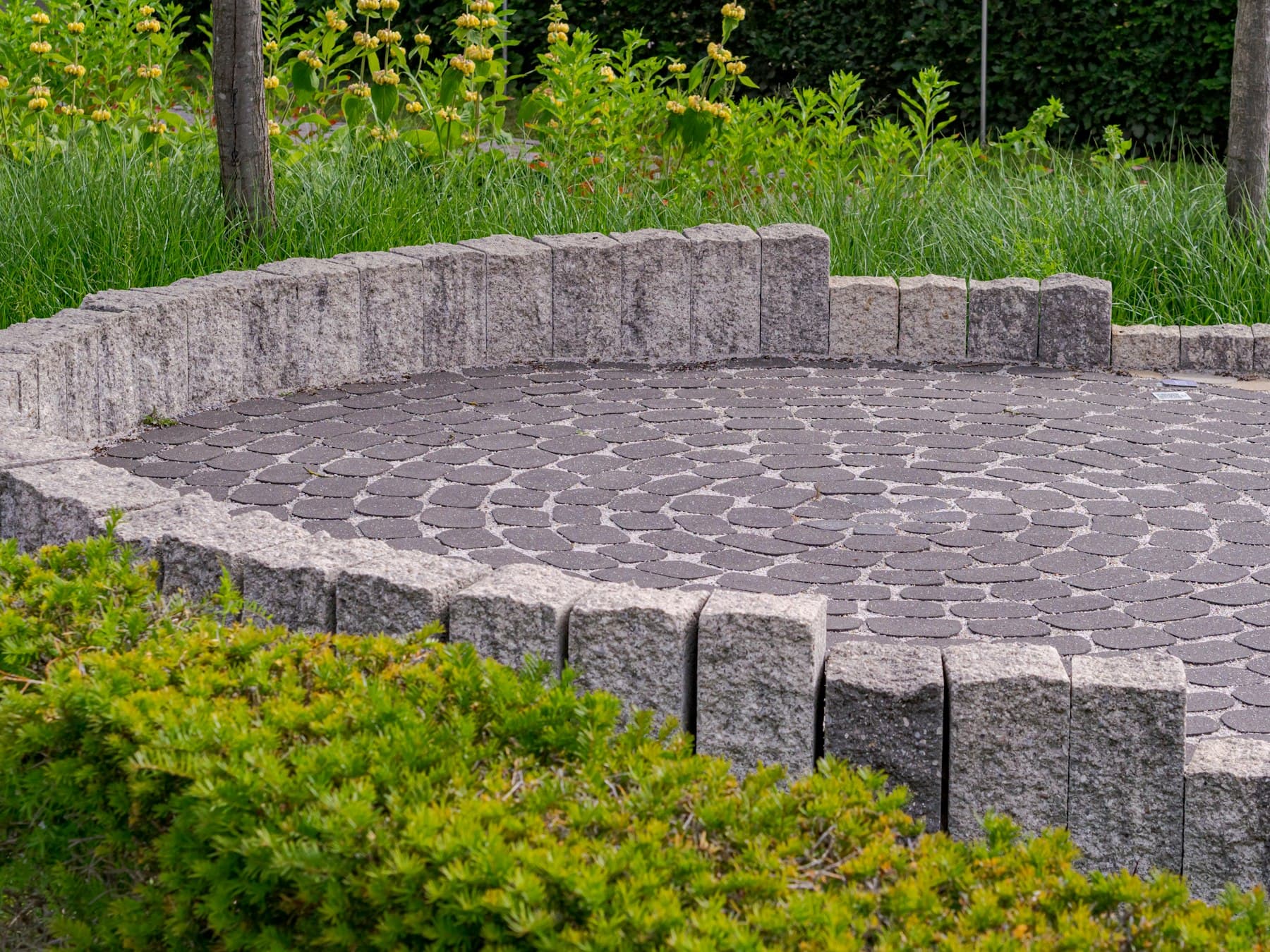
Backyard Outdoor Living: Patios, Pergolas & Fire
Patios, pergolas, fire features and outdoor kitchens — the Utah build details (frost depth, drainage) that make them last.
10 min read · Updated June 25, 2026
A backyard you actually live in — a paver patio, a pergola for shade, a fire feature for the shoulder seasons, maybe an outdoor kitchen — is the highest-value space you can add behind a Utah house. But it only lasts if it's built for our ground: 30 to 36 inches of frost, clay that pools water, and 50 to 80 freeze-thaw cycles every winter. Here's how to build it right — and what actually drives the cost.
30–36 in
Frost line — footing depth for fire, kitchen, posts
8–10 in
Compacted patio base — above national minimums
50–80
Freeze-thaw cycles a Utah winter
Action days
Wood fires restricted; gas features exempt
Build it for Utah ground, or it cracks
The difference between a patio that's flat in fifteen years and one that heaves in two is what you can't see. Utah's clay-based Wasatch soils pool water, then freeze and thaw 50 to 80 times a winter, compounding heave. The fixes are specific and non-negotiable.
| Element | Utah spec | Why |
|---|---|---|
| Footing depth | 30–36 in (below frost line) | Fire pits, kitchens, pergola posts must reach below frost or they heave |
| Patio base | 8–10 in compacted aggregate | Exceeds national minimums; clay needs the extra base |
| Slope | 2–4% away from structures | Sheds water before it can pool and freeze under the slab |
| Joints | Polymeric sand (standard) / clean stone (permeable) | Locks pavers; permeable systems outperform rigid in freeze-thaw |
| De-icing | Calcium chloride only | Rock salt (sodium chloride) spalls concrete and paver surfaces |
Fire features and the inversion problem
A fire feature stretches your backyard season into spring and fall — but how you fuel it matters more in Utah than almost anywhere. On winter inversion action days, when valley air quality drops, wood-burning fires are restricted. Gas fire features are not. That single fact is why so many Wasatch Front homeowners choose a gas fire pit or fireplace: you can use it on the exact cold, still evenings when a wood fire would be off-limits.
Whatever the fuel, the footing still has to reach below the 30-to-36-inch frost line — a fire feature that heaves is both unsafe and unfixable without a rebuild. Cost depends mostly on whether it's a standalone feature or part of a full patio package and how far the gas line has to run, which is why it's worth pricing as part of your overall plan.
Kitchens, pergolas, and the order to build
Outdoor kitchens are the big-ticket item, and the spread is wide — it scales with appliances, counters, and how far you're trenching gas, water, and power across the yard. Pergolas add shade and structure and anchor the space, but their posts are footings too: below frost, or they move.
Grade & drainage
Slope away from the house and patio footprint at 2–4% before anything else goes in.Utilities & sleeves
Run gas, water, electrical, and irrigation sleeves now — retrofitting under a finished patio is the costly mistake.Patio base & pavers
8–10 in compacted aggregate, then pavers with polymeric (or clean-stone, if permeable) joints.Footings & structures
Pour fire-pit, kitchen, and pergola-post footings 30–36 in below grade, then build up.Plant & light
Soften the hardscape with beds and add low-voltage lighting last — low-disruption finishing.
On a sloped or bench lot, the patio often depends on a retaining wall to create the level pad — see retaining walls & slopes for the drainage and engineering rules. For what actually moves the price across patio, fire, and kitchen, see what landscaping really costs in Utah — then get a free estimate for your own backyard.
Backyard outdoor-living FAQ
How deep do footings need to be for a Utah patio or fire pit?
What drives the cost of a paver patio in Utah?
What drives the cost of a fire pit or outdoor kitchen in Utah?
Can I burn wood in my backyard fire pit in Utah?
What order should I build a backyard outdoor-living space in?
Freeze-thaw build standards (frost line, base depth, slope, joints, de-icing) per verified Wasatch Front practice. Wood-burning fire restrictions on inversion action days per Utah air-quality practice; gas features exempt. Cost scales with materials, utilities, and site access — for a figure specific to your yard, request a free on-site estimate. Verified June 2026.
Who publishes this guide
This site is researched and published by Xperience Landscaping, a landscaping company based in Midvale, UT serving the Salt Lake Valley & Utah County. We write it because we install this work every week — and because no one had pulled Utah's scattered, often-outdated landscaping information into one honest place. Figures are verified against primary sources and dated; we'll always tell you to confirm a rebate or code with your district or city before you rely on it.
Keep reading
 Cornerstone
Projects
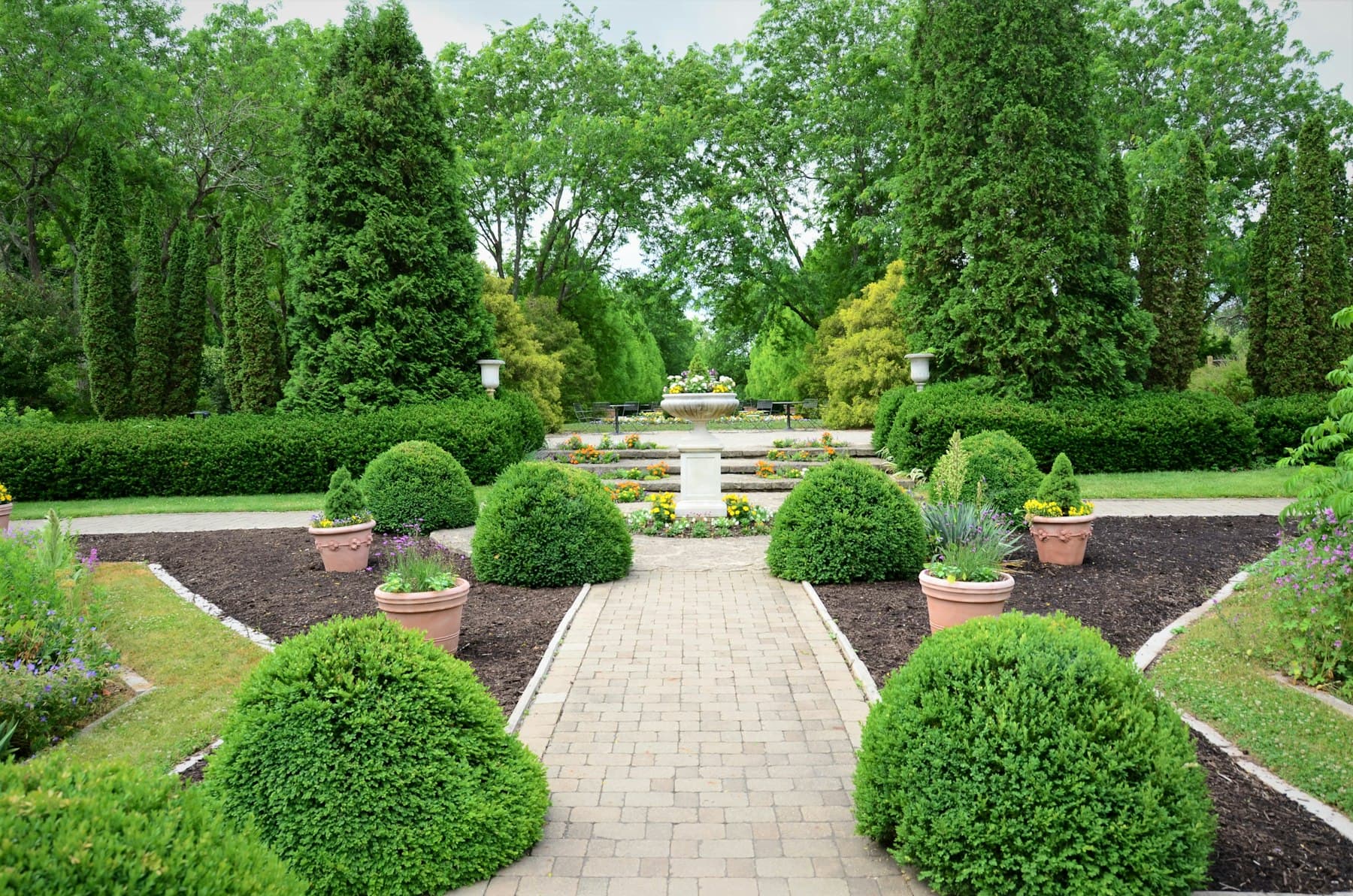
New-Construction Landscaping in Utah
Bare-dirt lot in Eagle Mountain, Saratoga Springs, or Lehi? The pre-occupancy deadlines, phasing order, and soil step builders skip.
12 min read
 Cornerstone
Projects
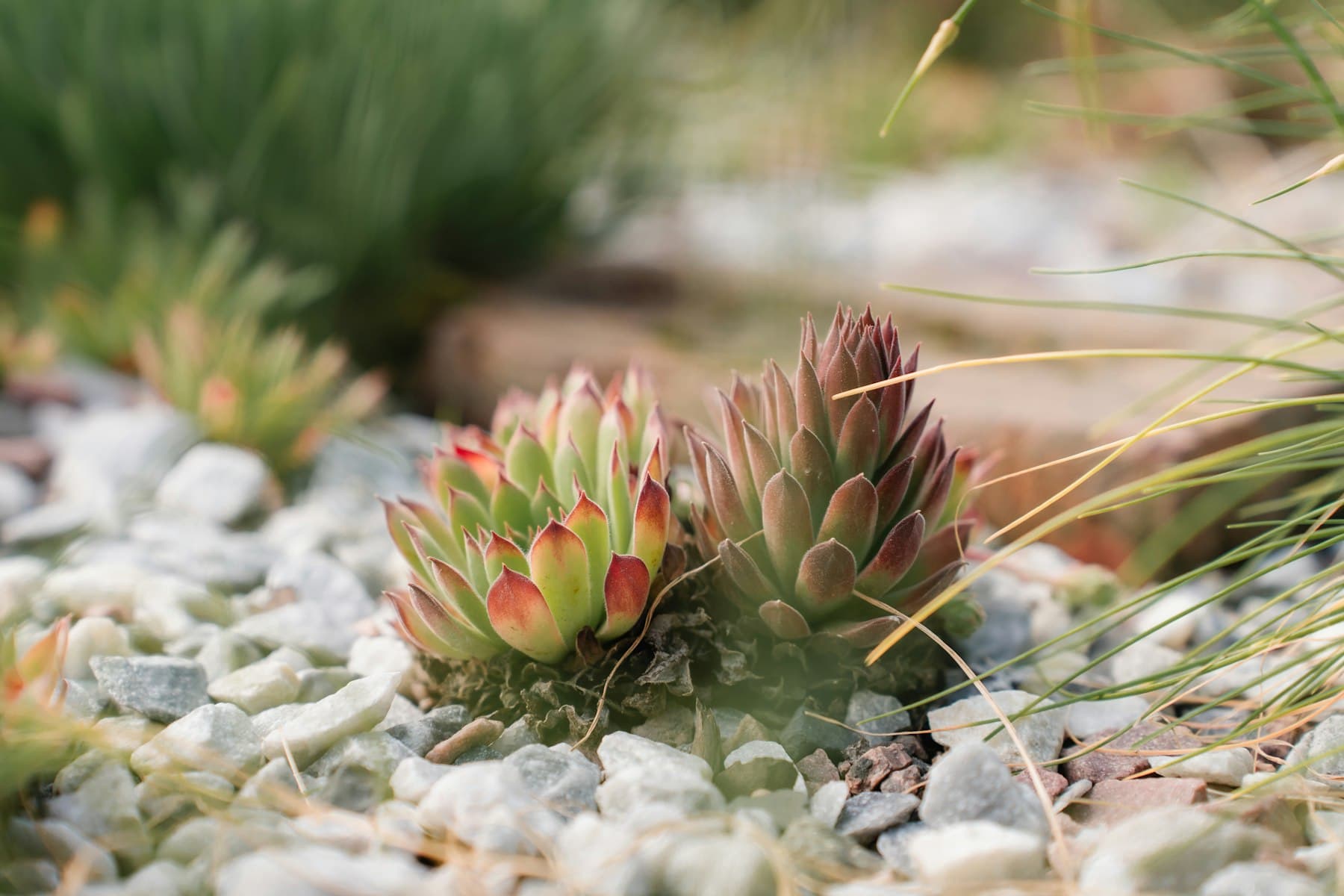
Park-Strip Conversion (Utah's New Rules)
New lawn is now banned in many Utah park strips. What you can plant, what the rebate pays, and how to do it right.
9 min read
Projects
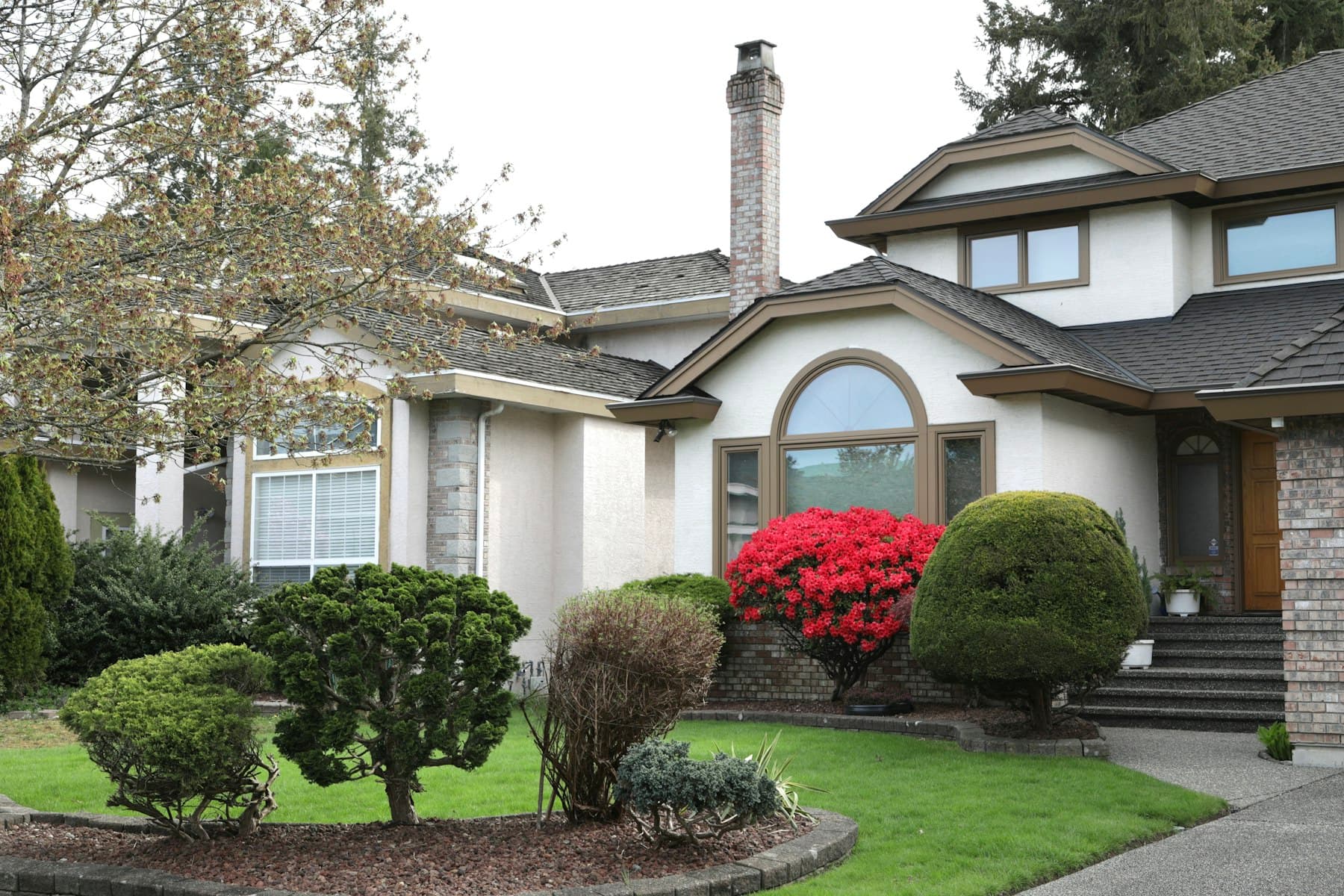
Front-Yard Makeovers in Utah
The highest-return yard project in Utah: curb appeal, water savings, and a sequence that keeps it on budget.
8 min read
From the team behind this guide
Ready to build it?
This guide is published by Xperience Landscaping, a landscaping company serving the Salt Lake Valley & Utah County. If you want a real plan and a quote for your yard, we're happy to help.